
1.Overview
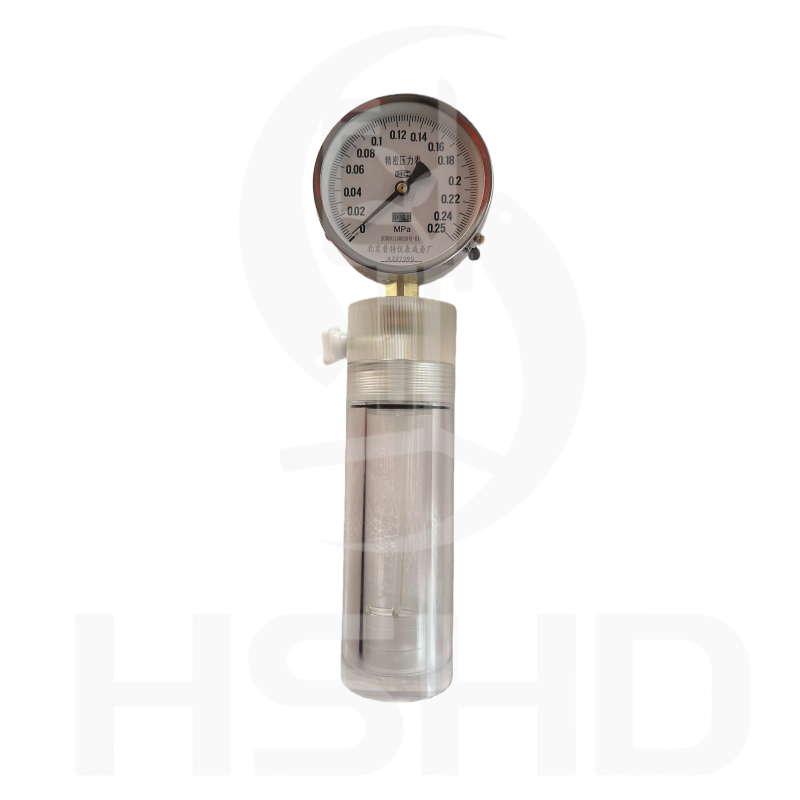
The Calcimeter is used to determine the amount of Calcium Carbonate (CaCO3 ) and Magnesium Carbonate (Dolomite) in a sample of alkaline earth carbonates such as oil well cores or drilled cuttings. Calcite build up in drilling fluids and in water treatment processes causes scaling problems. Data from the the instrument can help determine the proper chemical treatment.
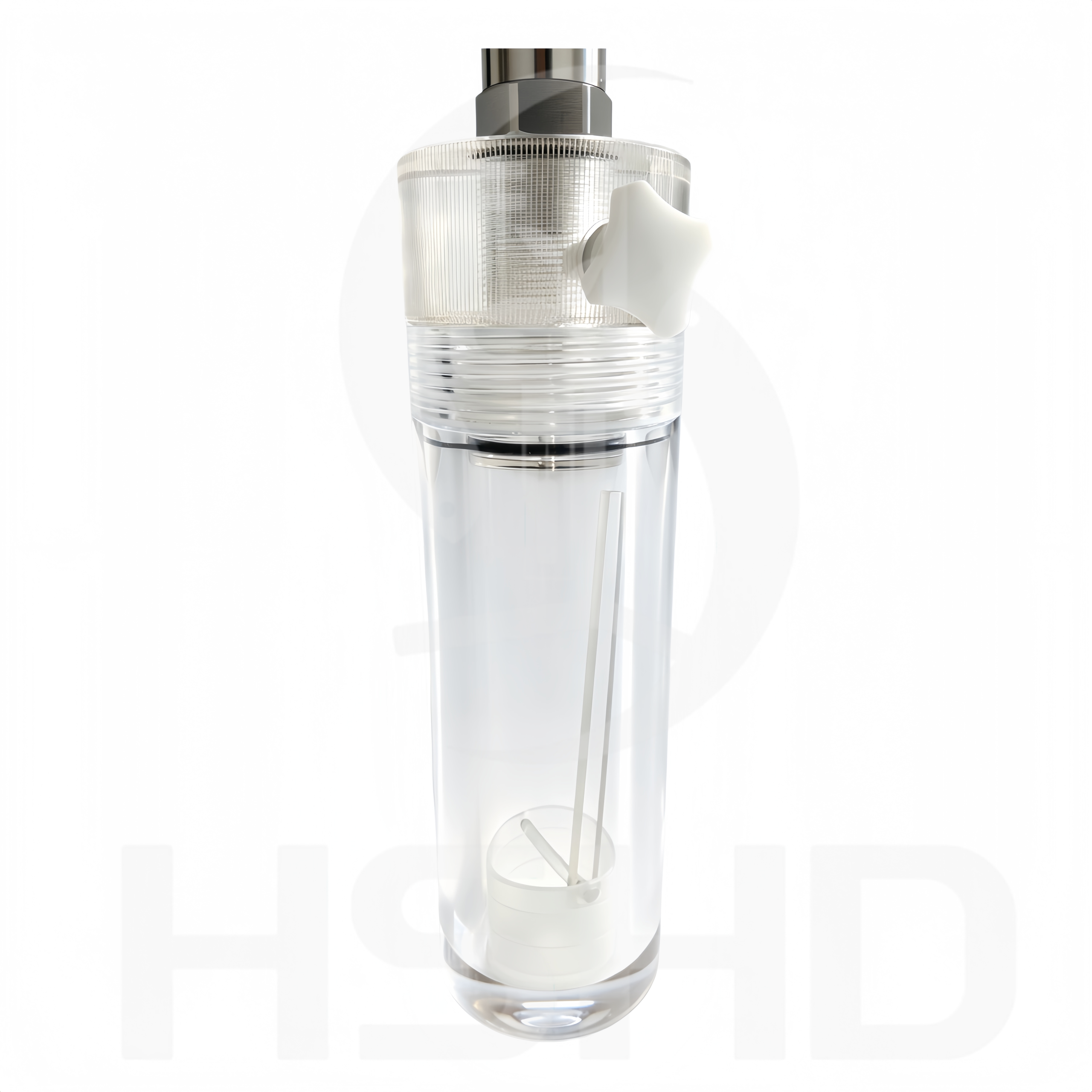
In the instrument, calcium carbonate and magnesium carbonate are reacted with 10 percent hydrochloric acid in a sealed reaction cell to form CO2 . As the CO2 is released, the pressure build up is measured using either a pressure gauge or a pressure recorder. During the calibration process, a calibration curve is created by reacting HCl with pure, reagent-grade CaCO3. By using a known weight of CaCO3 reagent, you can determine the relationship between the amount of pressure released and the weight of CaCO3 in the sample. Since all reaction cells are slightly different, this relationship will be different for each cell. Therefore a calibration curve is required to obtain accurate results.
The calcium carbonate content of soil is determined by treating a 1 g dried soil specimen with HCl in the reactor cell. The resulting pressure increase is then measured and compared to the calibration curve to determine the total weight of CaCO3 in the test sample.
2.Model and Specifications
| Model | Name |
| HSHD-1808 | Calcimeter |
3.Main Technical Parameters
| No. | Category | Specification |
| 1 | Pressure Range | 0~0.25MPa |
| 2 | Pressure Accuracy | 0.002MPa |
| 3 | Dimensions | φ65×328(mm) |
| 4 | Weight | 1.1kg |
Reviews
There are no reviews yet.