
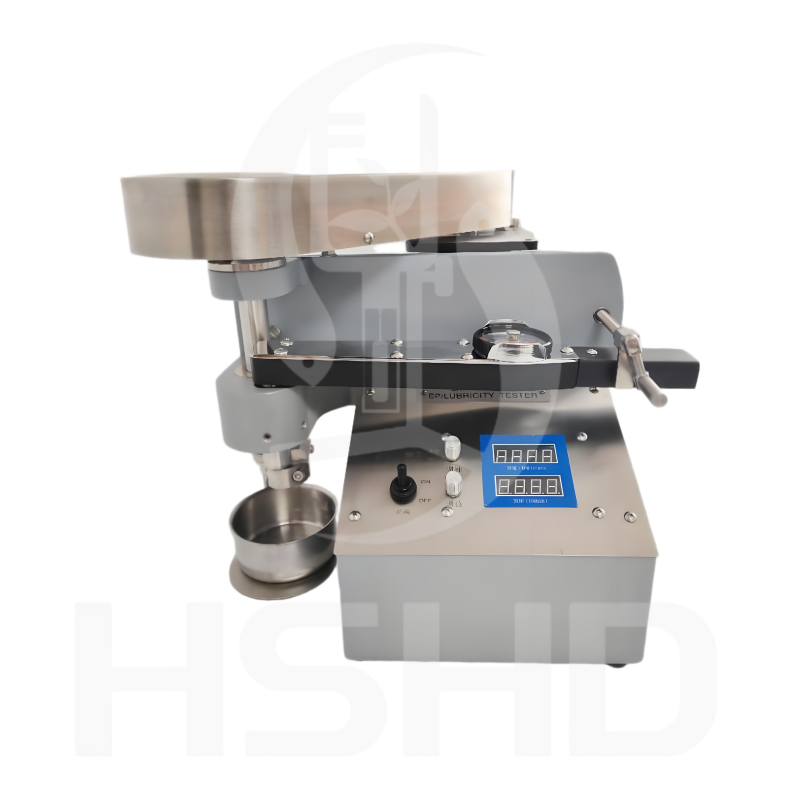
1.Overview
During oil and gas drilling, the moment of resistance of the wellbore wall to the frictional force generated by the rotation of the drill pipe is called torque, while the frictional force generated between the drill pipe and the wellbore wall is called resistance. In order to reduce resistance and torque, improve and enhance its lubrication performance, various additives of different materials are added to the drilling fluid to achieve the optimal lubrication effect. The lubricity of drilling fluid (i.e. the resistance between the drilling tool and the wellbore) is a particularly important technical indicator in horizontal and directional drilling. In order to achieve the goal of improving the lubricity of drilling fluid, lubricating additives not only need to make the wellbore regular, but also need to be non-toxic, biodegradable, and not form oily fine suspensions on the water surface. To evaluate the characteristics of various chemical additives’ lubricity types and qualities in drilling fluid, a lubrication instrument is needed to reflect their properties.
This instrument is used to measure the lubrication quality of liquids and provide data for evaluating the types and quantities of lubrication additives that may be needed. To ensure accurate and reliable data for fast and safe drilling. This instrument adopts frequency conversion technology, using imported frequency converters and variable frequency motors, with features such as stepless speed regulation, stable speed of 60r/min, high testing accuracy, easy operation, and digital display of test data. The Model HSHD-1201 Lubricity Tester is widely used in various oil fields, research institutes, laboratories, etc.
2.Model and Specifications
| Model | Name |
| HSHD-1201 | Lubricity Tester |
3.Main Technical Parameters
| No. | Category | Specification |
| 1 | Power Supply | Single phase 220 ± 10% V 50Hz |
| 2 | Power | 500W |
| 3 | Electric Current | 12.8A |
| 4 | Torque Measurement Range | Metric system 0-70N. m;
Imperial 0-600in. lb |
| 5 | Speed Regulation Range | 0-500r/min
(continuously variable speed) |
Reviews
There are no reviews yet.