
1.Overview
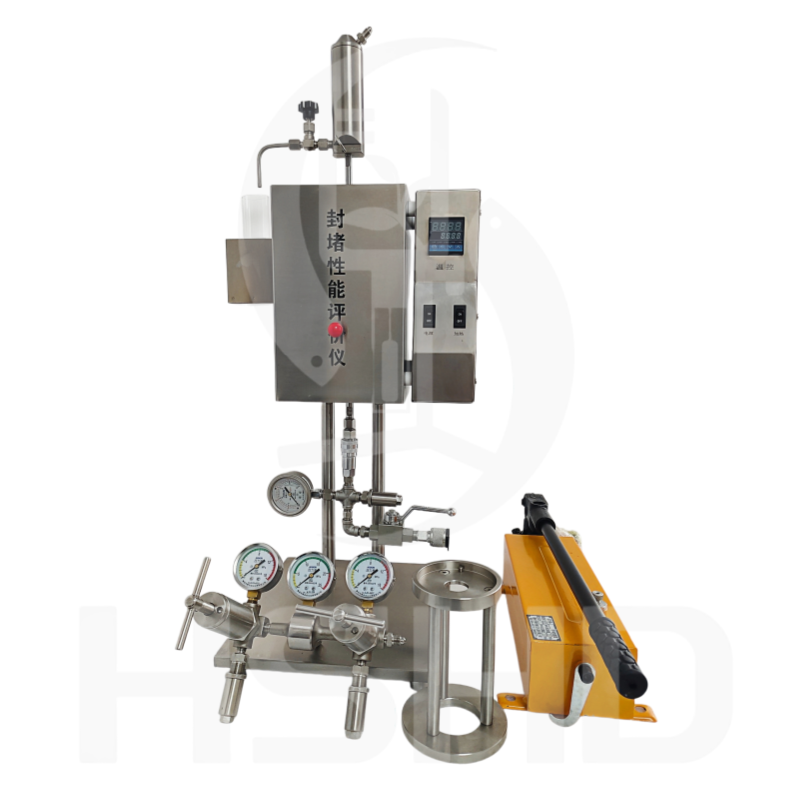
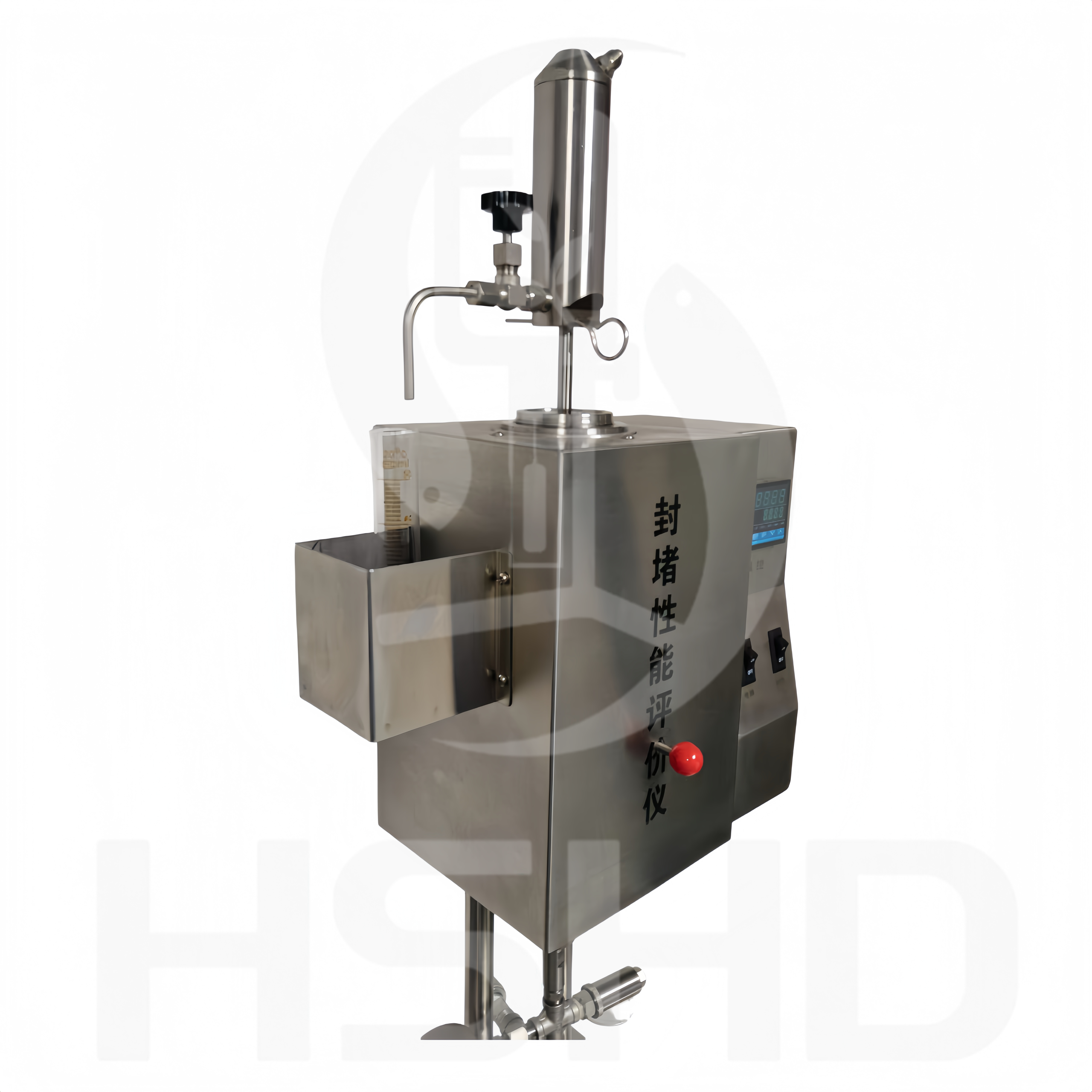
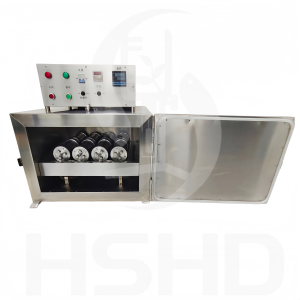
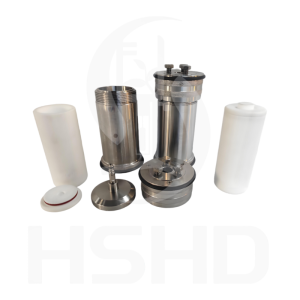
The components of HSHD’s Permeability Plugging Tester test cell are interchangeable in specifications and dimensions with those of OFITE products.
Wellbore collapse, lost circulation, and oil and gas reservoir protection are three major technical challenges that hinder smooth drilling operations. For formations with developed bedding planes and fractures, to prevent formation collapse and fluid loss and to reduce damage to oil and gas reservoirs, the drilling fluid is required to possess strong plugging capabilities. This effectively seals the bedding planes and fractures of the formation, preventing drilling fluid and its filtrate from entering the formation. The goal is to enhance the formation’s pressure-bearing capacity, stabilize the wellbore, prevent lost circulation, and protect the oil and gas reservoirs. Drilling fluid plugging technology is a crucial indicator for evaluating drilling fluid performance, which is essential for wellbore stability and reservoir protection. Through the analysis of plugging mechanisms and comparison of plugging evaluation methods, it is recognized that the PPT plugging evaluation method is more scientific and reasonable.
The essence of drilling fluid plugging performance refers to: under specific temperature and pressure conditions, increasing the compactness (reducing permeability) of the annular zone near the wellbore through dynamic contact between the drilling fluid and the wellbore wall, thereby reducing filtrate invasion depth and pressure transmission rate. Its functions primarily include stabilizing the wellbore and minimizing reservoir damage. Mechanistically, plugging is mainly divided into physical plugging and chemical plugging. Physical plugging is the most commonly studied aspect, which utilizes a reasonable distribution of solid particles to attach to the wellbore wall, forming relatively dense internal and external filter cakes. Chemical plugging is related to “reverse osmosis.” Reverse osmosis is the phenomenon where, when a semipermeable membrane separates two solutions of different concentrations, the solvent (e.g., water) from the less concentrated solution automatically passes through the membrane into the more concentrated solution until chemical equilibrium is reached. Drilling fluid utilizes this principle to delay the rate of pore pressure transmission and extend the collapse cycle of shale formations.
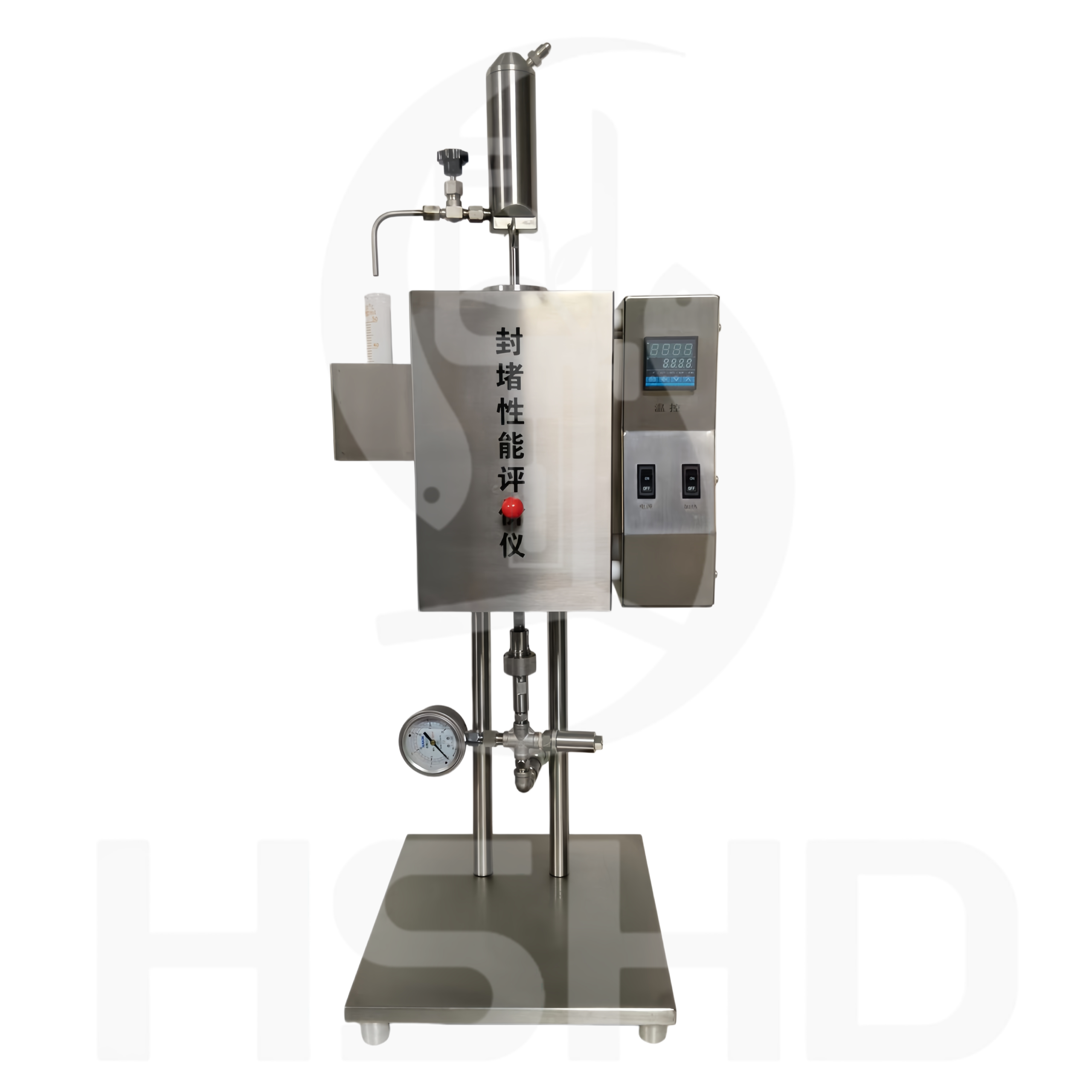
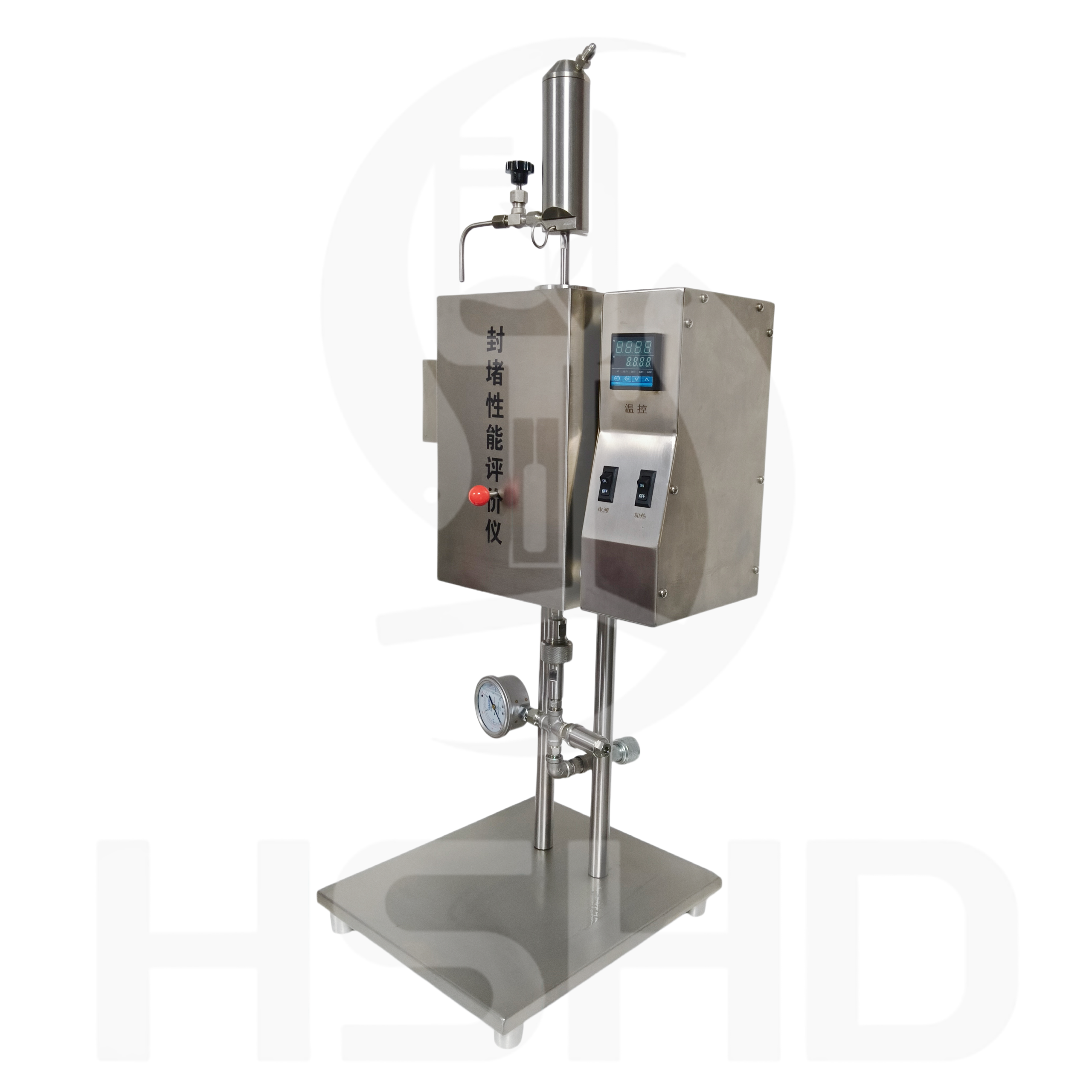
Physical Plugging Effect of Drilling Fluid: Under specific pressure conditions, as drilling fluid penetrates into the wellbore wall, a portion of the solid materials enters the pores or fractures of the wall, deposits, and forms an internal filter cake, thereby reducing the permeability near the wellbore. Another portion of the solid materials is retained outside the wellbore wall, forming an external filter cake. The essence of drilling fluid physical plugging technology is to reduce the depth of filtrate invasion through the combined action of internal and external filter cakes, which shares the same objective as fluid loss control. The composition of drilling fluid is often complex, typically including water, colloidal materials (clays), salts, fluid loss control agents, high-molecular-weight polymers, weighting materials, and other chemical additives. These components interact, resulting in a complex particle size distribution. Achieving an ideal plugging effect requires a sufficient quantity of particles, a relatively stable particle size distribution, and matching with formation pores or fractures. Under specific temperature and pressure conditions, these particles must physically act on both the interior and exterior of the wellbore wall and be compacted properly. The Permeability Plugging Tester is a specialized instrument manufactured by HSHD for testing the permeability plugging performance of drilling fluids.
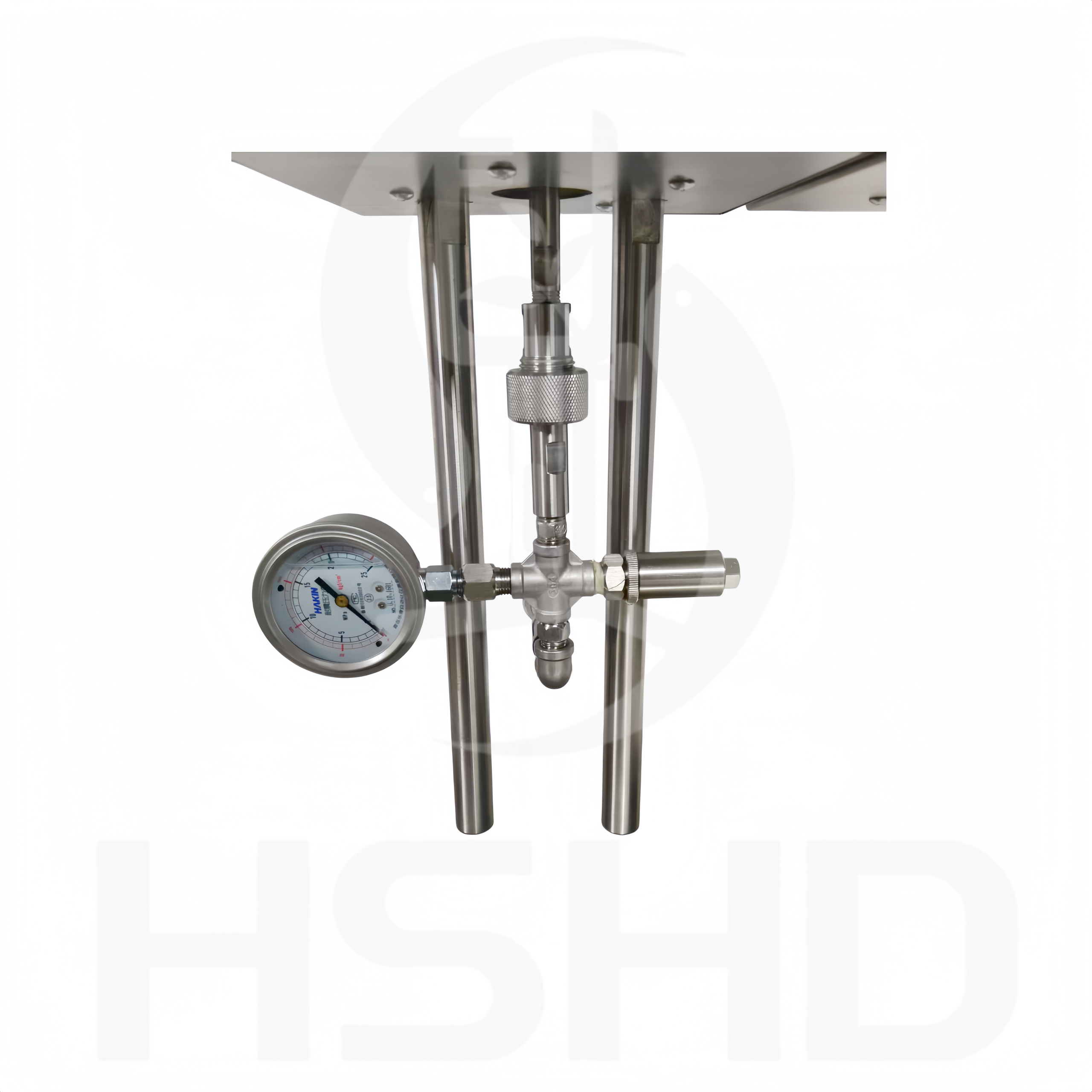
The Permeability Plugging Tester conducts plugging evaluations using porous permeable discs of various specifications. These discs are manufactured under strict process control, ensuring stable performance. Similar to the standard High-Temperature High-Pressure (HTHP) fluid loss apparatus, it is a universally accepted plugging evaluation method in the international drilling fluid industry. It can be used in both field and laboratory environments. The instrument can perform filtration tests during heating without interference from particles settling on the filtration medium. The plugging tester demonstrates how drilling fluid forms a low-permeability filter cake that seals off losses and helps prevent differential sticking under pressure differentials. Typically, the pressure differential applied is significantly higher than that used in standard HTHP tests.
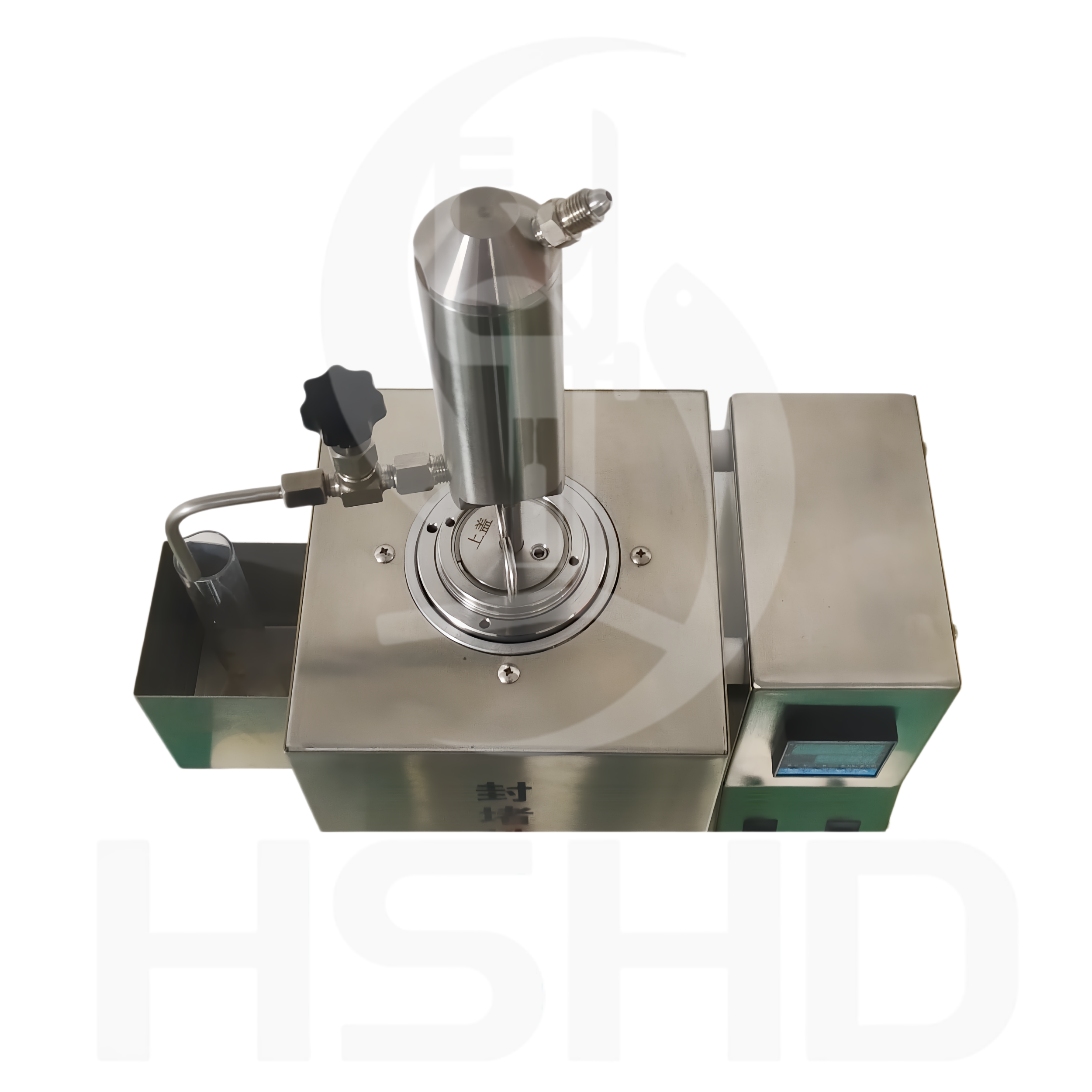
The test cell is equipped with a cell cap designed for testing, a floating piston, and a graduated base cap. The cell features a 1/4″ (6.35 mm) recess, deeper than a standard cell, which is used to accommodate the porous disc.
2.Model and Specifications
| Model | Name |
| HSHD-3025 | Permeability Plugging Tester (PPT) |
3.Main Technical Parameters
| No. | Category | Specification |
| 1 | Power Supply | 220V±5% 50/60Hz |
| 2 | Power | 1KW |
| 3 | Operating Temperature | From room temperature to 180 ℃ |
| 4 | Working Pressure of Slurry Cup | ≤20MPa |
| 5 | Capacity | 500ml |
| 6 | Effective Dehydration Area | 3.5in² (22.6 cm²) |
| 7 | Gas Source | Nitrogen |
| 8 | Oil Pressure | Hydraulic Oil |
Reviews
There are no reviews yet.